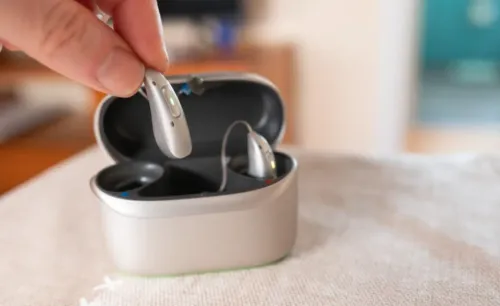
A kan ki machine is not chosen by channel count, battery voltage, or a promise of wireless connectivity alone. You need to match the device to your hearing loss, daily listening environments, handling ability, and maintenance routine, then confirm that it is fitted and tested correctly.
Key takeaways
- A kan ki machine improves access to sound but does not restore normal hearing.
- Choose features for your real environments, including restaurants, distance, alarms, and multiple speakers.
- Clean the microphone, sound outlet, and ear tip daily; inspect them weekly for blockage or damage.
- Keep charging contacts clean and report sudden sound loss after checking power, wax, and tubing.
What is a kan ki machine, and what does it actually do?
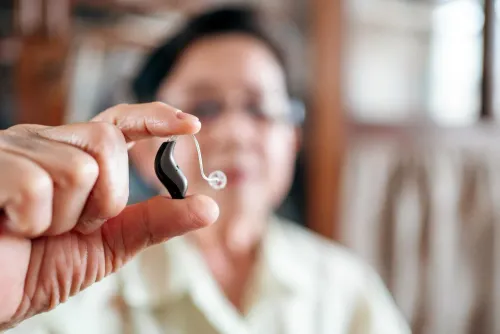
“Kan ki machine” usually means a hearing aid: a microphone picks up sound, a processor adjusts it, and a receiver sends the signal into your ear. It does not restore normal hearing or cure hearing loss. Restaurants, distance, reverberation, alarms, and several speakers can remain difficult.
| Device | What it does | What it cannot replace |
|---|---|---|
| Hearing aid | Amplifies and processes sound for a measured hearing loss | An audiological assessment and fitting |
| Personal sound amplification product | Simply makes environmental sound louder | A prescribed hearing aid or audiological fitting |
| Cochlear implant | Requires surgery and stimulates the auditory nerve when hearing-aid amplification is insufficient | A non-surgical hearing aid |
That is the cochlear implant difference: it bypasses damaged inner-ear structures rather than merely increasing volume. Channels divide sound into processing bands; frequency range describes the pitches handled; maximum output limits loudness; noise reduction targets steady background sound; directional microphones favour sound from selected directions; and feedback cancellation controls whistling.
These are tools, not quality scores. Directional microphones and noise reduction cannot separate speech from every competing sound. Channel count, frequency figures, battery voltage, and “rechargeable” cannot prove suitability without the exact model manual, hearing-loss range, fitting software, and test conditions. Select maximum output to match your hearing prescription, not for maximum loudness.
Which design and features fit your listening environments?
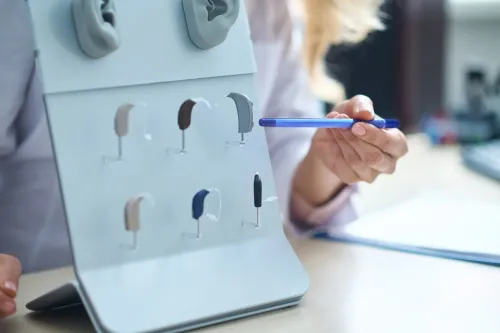
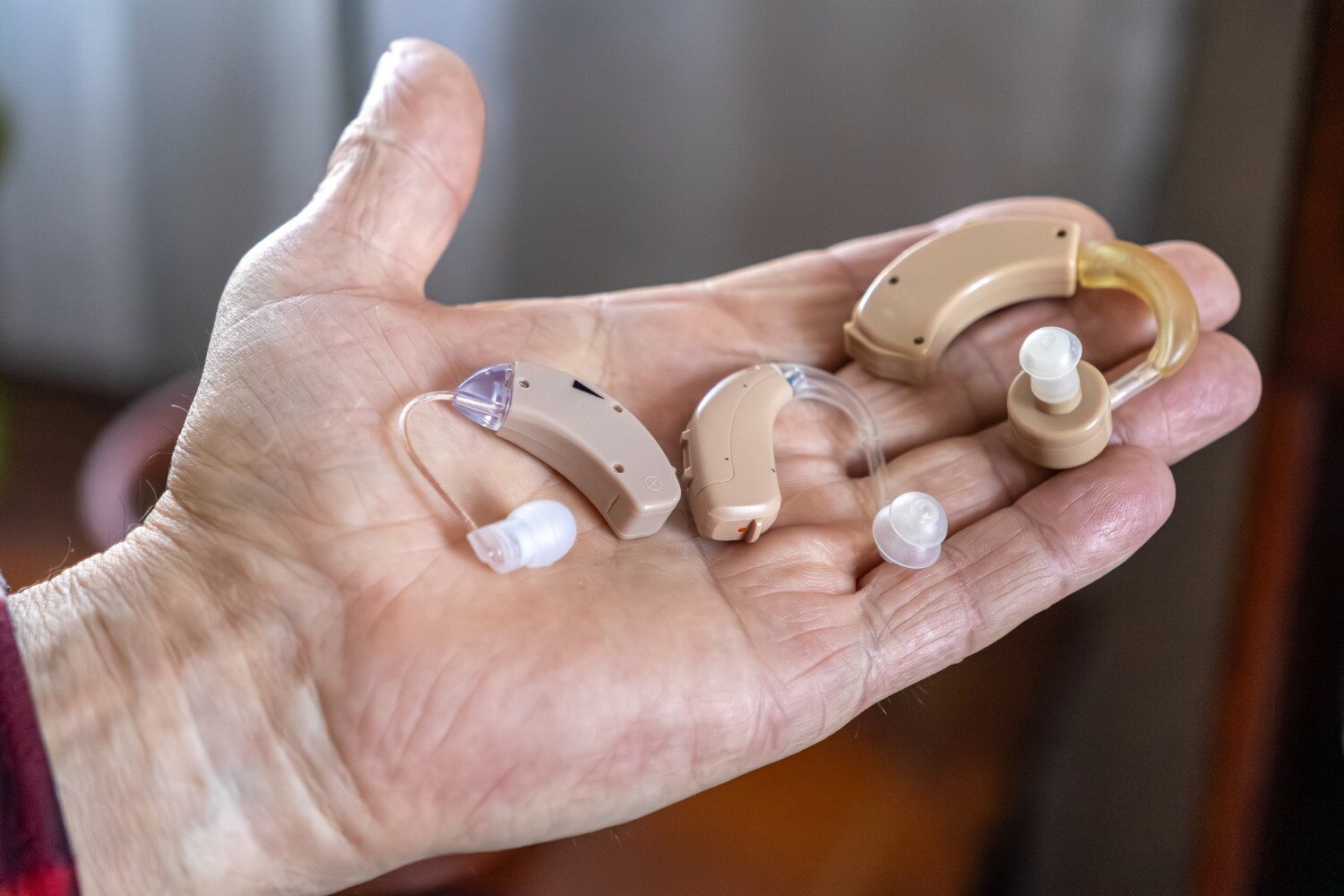
CIC and ITC aids are least visible, but they occupy the ear canal and provide less space for power, a larger microphone, telecoil, or longer runtime. RIC and a behind-the-ear hearing aid are more visible, yet they usually offer stronger output, easier handling, and simpler servicing.
| Design | Visibility and power | Canal, handling, and upkeep |
|---|---|---|
| CIC | Lowest visibility; smallest battery and output | Full canal space; small controls, microphone, and parts demand good dexterity and vision; wax cleaning is frequent; repairs can require service |
| ITC | Partly visible; moderate power and battery practicality | Partial canal space; easier to grip than CIC; clean wax and microphone openings; service access varies |
| RIC | Visible behind ear with thin receiver wire; rechargeable or disposable options | Canal dome leaves the case outside; easier cleaning and repairs, but the receiver wire needs care |
| Behind-the-ear hearing aid | Most visible; largest output, microphone, battery, or charging capacity | Little canal electronics; easiest to handle and service, though tubing or earmould needs cleaning |
Choose a larger design if wax blocks your ears often, canals are narrow or unusual, finger control or vision is limited, or severe loss needs more output. Directional microphones and noise reduction suit groups and restaurants; feedback cancellation targets whistling. A telecoil serves compatible loops, selected telephones, and public systems.
Bluetooth, streaming, and app controls vary in phone support, battery use, and stability.
Sweat and dust resistance is not waterproofing: check the exact IP rating, avoid swimming, and expect corrosion risk. Test with glasses and a mask, in quiet and noisy rooms, on a call, and with speech from different directions.
What should happen during fitting and first use?
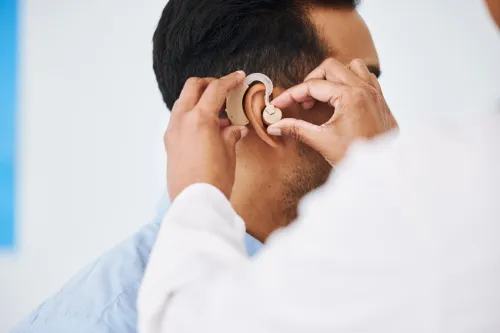
A proper hearing aid fitting starts with a hearing assessment and ear examination, not with switching the device on. Discuss speech understanding, speech-in-noise difficulty, and whether one or both ears need amplification. The appointment should also include physical fit checking, programming, handling instruction, and a scheduled follow-up.
Ask for real-ear measurement, also called probe-microphone verification. It measures sound delivered inside your ear against prescribed targets; manufacturer software only predicts the output and cannot confirm the result in your ear.
Use this first-use checklist:
- Identify left and right markings. Position an in-the-ear or in-the-canal shell fully and comfortably in the canal.
- Seat a receiver-in-canal dome securely, then place the behind-the-ear case over your ear without pinching the tubing or receiver wire.
- Begin in a quiet room. Confirm speech is clear and check for pressure, pain, a hollow own-voice sound, excessive loudness, or whistling.
- Practise insertion and removal. Increase wearing time gradually if advised; dishes, footsteps, and your own voice may sound unusually prominent during adaptation.
- Ask for hearing aid adjustment or reprogramming when speech remains unclear or sound is uncomfortable. Do not simply raise the volume.
- Keep the follow-up appointment. A quiet-room demonstration does not establish performance in a restaurant.
What is the daily and weekly maintenance routine?
Daily hearing aid maintenance takes a few minutes and protects sound quality. Remove the device before showering, swimming, exercising in heavy rain, or applying hair products; moisture protection is not waterproofing.
- Wipe perspiration and earwax from the shell, dome, earmould, tubing, and receiver with a dry, soft cloth.
- Brush the microphone openings and sound outlet with the supplied brush.
- Inspect the earwax filter and replace it when blocked or damaged.
- Place the device in its charger or drying container as directed.
- Keep the stored device in a cool, dry case away from children and pets.
Once a week, examine the dome, earmould, tubing, receiver wire, microphone ports, and charging contacts for blockage, cracks, looseness, or corrosion. Replace a damaged dome or earwax filter with the specified part; ask a dispenser to replace tubing, a receiver, or an earmould that no longer seats correctly or has deteriorated.
Never rinse the aid, use alcohol or household cleaner, poke the sound outlet with a pin, insert cotton swabs into the ear canal, use a hair dryer, or leave it in a hot car.
After rain, perspiration, or accidental soaking, switch it off if possible, remove the battery or take it out of the charger as instructed, wipe it, and use the recommended drying system. Do not restart it after soaking until inspected.
How should you manage charging, batteries, and sudden sound problems?
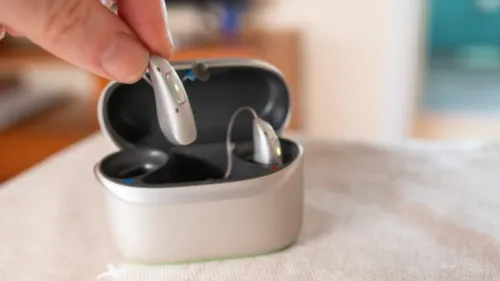
Use the supplied charger for rechargeable hearing aid charging. Keep its contacts clean and dry, and place each aid in the marked left or right well. Follow the manual for charging time, indicator meanings, and whether the aids work while charging.
If an indicator stays dark, reseat the aid, inspect the contacts for debris, try the specified power supply, and check the manual before arranging service. Confirm model-specific runtime; streaming, Bluetooth calls, and loud environments reduce it. Many rechargeable cells are not user-replaceable, so declining capacity requires service.
Charge nightly as instructed and plan for travel or a depleted battery.
- Check power, contacts, and the wax filter.
- Check that the dome or earmould is seated correctly and that microphone openings are clear.
- Check for moisture or physical damage.
- For Bluetooth hearing aid troubleshooting, forget the device and reconnect it. Preserve acoustic hearing-aid function when the phone battery is low.
For hearing aid batteries, verify the exact zinc-air size from the manual or dispenser: 312 13 675 batteries are not identified by voltage alone. Remove the tab only when needed; never reattach it, and keep cells away from children, pets, coins, and keys. Swallowing one requires urgent medical care.
Stop use and seek assessment for pain, discharge, sudden hearing change, one-sided sudden loss, severe dizziness, or a hot device. Sudden hearing loss is urgent.
What should you verify before buying and during follow-up?
A hearing aid buying checklist should begin with the exact device, not the product family. Record the model name, left or right configuration, serial number, charger or battery type, and matching hearing aid warranty document.
1. Ask for the total price, hearing-test and fitting fees, trial or return period, warranty length and exclusions, hearing aid repair turnaround, replacement-part availability, and follow-up programming charges.
2. Confirm whether the price includes cleaning supplies, charger, charging case, travel power supply, domes, wax filters, and batteries. Record which items you must buy later.
3. Before committing, operate the controls and wear the device with glasses and a mask. Test speech from different directions in quiet and noisy settings, and reject a fitting that causes pain or persistent whistling.
4. Ask how often hearing aid follow-up programming is included and when a second hearing aid is recommended if both ears have hearing loss. Confirm the expected service process if rechargeable batteries lose capacity.
5. Children, people with cognitive impairment, and users with severe dexterity or vision limitations need caregiver support, retention checks, and supervised battery handling.
In Nagpur, Mukund Speech And Hearing Center can make hearing assessment, selection, fitting, cleaning instruction, repairs, and follow-up part of ownership. Use that support to check suitability, pricing, warranty terms, and medical red flags independently.
Related products
 | Kit Pure Charge&Go 1IX ₹120990 Discover the transformative experience of Pure Charge&Go IX hearing aid, revolutionizing communication with its seamless integration. View product → |
 | Kit Pure Charge&Go 1IX / T 1IX Kit Pure Charge&Go 1IX / T 1IX ₹129990 Discover the transformative experience of Pure Charge&Go IX hearing aid, revolutionizing communication with its seamless integration. View product → |
Frequently asked questions
What is a kan ki machine, and what does it do?
A kan ki machine usually means a hearing aid. Its microphone captures sound, a processor adjusts it, and a receiver sends it into your ear. It improves access to sound but does not cure hearing loss or restore normal hearing.
Which hearing aid features fit different listening environments?
Choose features based on where you listen. Restaurants, distance, reverberant rooms, alarms, and conversations with several speakers require different priorities, such as directional microphones, noise management, speech enhancement, and connectivity.
What should happen during hearing aid fitting and first use?
An audiologist should connect the hearing aid to your hearing test results, check physical comfort, verify sound quality, explain controls, and show you how to insert, remove, clean, charge, and store it.
What is the daily and weekly hearing aid maintenance routine?
Wipe the hearing aid with a dry, soft cloth each day and check the ear tip, sound outlet, and microphone openings for wax or debris. Each week, inspect tubing, seals, charging contacts, and housing for cracks or damage.
How should you handle charging, batteries, and sudden sound problems?
Confirm the charger or battery is working, clean the charging contacts, check that the hearing aid is switched on, and inspect the ear tip, sound outlet, and tubing for blockage. Contact your provider when sound remains weak, distorted, or absent.
Related products
 | Kit Active IX ₹159990 An earbud on the outside with advanced hearing technology on the inside. View product → |
 | Kit Pure Charge&Go 2IX ₹153990 Discover the transformative experience of Pure Charge&Go IX hearing aid, revolutionizing communication with its seamless integration. View product → |
 | Kit Pure Charge&Go 2IX / T 2IX Kit Pure Charge&Go 2IX / T 2IX ₹1 Discover the transformative experience of Pure Charge&Go IX hearing aid, revolutionizing communication with its seamless integration. View product → |
Completely In The Canal Hearing Aids Completely In The Canal Hearing Aids Type Invisible Aid Placement In the Canal Brand Arphi No. Of Channels 8 Battery Voltage 1.45 V Country of Origin Made in India Frequency 4000 Hz View product → |