A nearby hearing-aid center is not automatically a reliable one: you need evidence that it can identify the type of hearing loss, fit the device correctly, and support the user after payment. By checking the evaluation process, staff credentials, written costs, trial terms, and practical fit, you can compare centers with far more confidence.
Key takeaways
- Seek medical assessment first when symptoms suggest ear disease.
- Ask who performs the hearing test and how referrals are handled.
- Request the complete cost, including fitting, batteries, repairs, and follow-ups.
- Choose follow-up support that fits your routine, technology, and communication needs.
Decide Whether You Need Medical Assessment, Diagnostic Testing, or Device Help
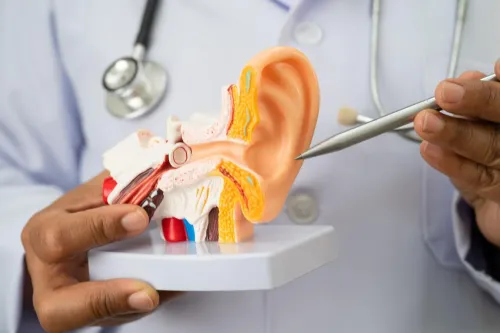
Begin by deciding whether you need medical assessment, diagnostic testing, or device help. A reliable hearing aid center near me should not fit a device immediately when symptoms suggest disease. Ask whether it can arrange a medical hearing evaluation and referral to an ear, nose and throat specialist.
Earwax can cause temporary conductive hearing loss, so the center should inspect the ear or arrange appropriate removal before increasing amplification.
Seek medical assessment for:
- Sudden or rapidly worsening hearing loss
- Hearing loss in one ear, or a large difference between the ears
- Ear pain, drainage, or an active infection
- Significant dizziness or balance symptoms
Sudden sensorineural hearing loss is a medical emergency. Do not wait for a routine hearing-aid appointment.
| Option | What it means | When it applies |
|---|---|---|
| Diagnostic audiologic evaluation | A clinical assessment that establishes hearing thresholds and speech ability; testing may include air and bone conduction, speech testing, and tympanometry | When hearing loss is unexplained, persistent, asymmetric, or medically concerning |
| OTC hearing aids | Regulated hearing aids for adults with perceived mild-to-moderate hearing loss | When no warning signs require medical referral |
| PSAPs versus hearing aids | Personal sound amplification products amplify environmental sound for people with normal hearing; they are not hearing aids or treatment for hearing loss | When you want sound enhancement, not hearing-loss correction |
Ask whether the center handles referrals and testing, rather than selling a device after a basic screening.
Verify the Hearing Test, Audiologist, and Referral Process
A proper hearing evaluation produces documented results, not just a pass-or-fail screening. Ask whether the center provides:
- Otoscopy to inspect the ear canal and eardrum, including possible earwax blockage.
- Pure-tone audiometry using air- and bone-conduction thresholds.
- Speech audiometry measuring speech detection and word recognition.
- Tympanometry when symptoms or history suggest a middle-ear problem.
| Screening | Quick indication of possible hearing loss | Does not establish the cause, type, or full degree of loss |
|---|---|---|
| Diagnostic evaluation | Measures thresholds, speech performance, and relevant middle-ear function | Supports a safe hearing-aid recommendation or medical referral |
Request a copy of the audiogram, speech findings, tympanometry results when performed, and written recommendations. A center that will not provide the results gives you little basis for comparing advice or checking future changes.
Ask who conducts the test and fitting, which audiology qualification or registration that person holds, how much experience they have with older adults, and which manufacturer training they have completed. Confirm whether the same professional will explain the results and handle programming or follow-up.
The test battery must match your symptoms and medical history. Tympanometry is not necessary for every person, but skipping relevant testing can hide a middle-ear problem.
A reliable center explains abnormal findings and refers you for medical assessment, including an ear, nose and throat specialist, when results indicate that need instead of proceeding straight to a sale.
Know What Should Happen at the First Appointment
Do not expect a device to be chosen within minutes. A proper first hearing aid appointment allows time for a case history, ear inspection, diagnostic testing, discussion of difficult listening situations, and your questions. The center must establish the type and severity of hearing loss before recommending amplification.
Choosing a device without an audiogram can cause excessive loudness, poor speech audibility, feedback, or an unsuitable power level.
Bring:
- Previous audiograms, medication details, relevant medical-history information, current hearing devices, and the phone used most often.
- A written list of situations that cause difficulty, such as conversations in noise, television, or telephone calls.
- A family member or caregiver if memory, vision, dexterity, communication, or transportation problems could affect the appointment or home use.
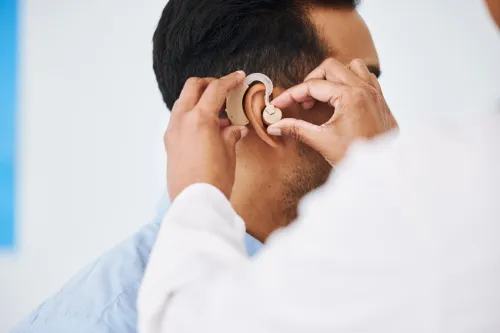
Ask whether the fitting includes probe-microphone verification, also called real-ear measures. These measurements compare the hearing aid’s output with prescriptive targets; the clinician should then adjust the device and perform functional listening checks. A quiet-office trial lasting a few minutes cannot prove that the fit is effective.
| Brief office trial | Shows whether sound is immediately tolerable in quiet | Not enough evidence of speech clarity or comfort |
|---|---|---|
| Probe-microphone verification | Compares measured output with prescriptive targets | Ask for it during fitting |
| Adjustment and listening checks | Tests comfort, speech audibility, and device response | Needed after verification and during follow-up |
Compare the Full Cost of Care, Not Just the Advertised Device
A low device price can become expensive after fitting, repairs, and follow-up visits. Request an itemised hearing aid quote that separates the devices from every ownership cost before comparing nearby centers.
| Cost item | Ask the center to show |
|---|---|
| Hearing aids | Model, quantity, and price for each device |
| Fitting and programming | Initial fitting, programming visits, and software updates |
| Physical parts | Earmolds or domes, receivers, charger, batteries, and accessories |
| Support | Aftercare visits, repairs, shipping, and replacement-part charges |
| Protection | Hearing aid warranty duration, loss-and-damage coverage, and exclusions |
| After warranty | Repair price, charger replacement cost, and the price of routine service |
Ask these questions in writing:
- What is the repair turnaround, and will you receive a loaner hearing aid?
- What does a replacement receiver, earmold, dome, or charger cost?
- How many follow-up visits are included, and what does each additional visit cost?
- What is the exact trial period, and does the return policy impose a restocking charge?
- When will you receive a refund, and are custom earmolds or accessories refundable?
Trial and refund rights depend on the seller’s written policy and applicable state law. Do not assume Medicare pays for hearing aids: Original Medicare may cover a medically necessary diagnostic hearing exam ordered by a clinician, while Medicare Advantage benefits differ.
Use identical questions when comparing Mukund Speech And Hearing Center with another local provider, because a shorter drive is not better value if aftercare costs more.
Match the Fitting and Follow-Up Plan to Daily Life
A suitable hearing aid fitting for seniors must reflect where the person actually listens, not just the audiogram. Ask how the plan will address:
- Speech in groups
- Television at a comfortable volume
- Telephone conversations
- Traffic and warning sounds
- Religious services
- Family gatherings
- Noisy restaurants
The center should assess vision, hand dexterity, memory, smartphone access, and whether the user can insert each device correctly. Test the routine before purchase.
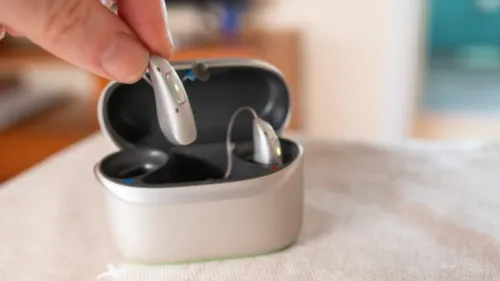
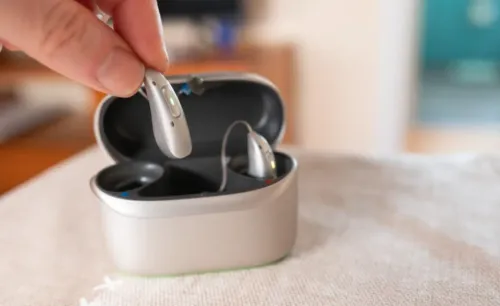
Rechargeable versus disposable batteries involves a practical trade-off: rechargeable models reduce small-battery handling but require a charger and dependable access to power; disposable batteries can simplify travel or power interruptions but require safe handling and the dexterity to change them.
Ask whether Bluetooth and telecoil features match the user’s phone and regular venues. A telecoil can connect with a hearing loop, while direct Bluetooth streaming, remote microphones, and captioned telephone support solve different access problems. None works with every phone or venue.
Budget for hearing aid follow-up care, not one fitting appointment. Expect programming visits for loudness tolerance, speech clarity, feedback, plugged-up sound, physical comfort, or control problems. Hearing aids improve access to sound, but they do not restore normal hearing or remove every effect of background noise.
A center’s adjustment schedule, troubleshooting access, and support for caregivers belong in the purchase decision.
Frequently asked questions
When should you seek medical assessment before getting hearing aids?
Seek medical assessment when symptoms suggest ear disease, and ask whether the center can arrange an evaluation and referral to an ear, nose and throat specialist.
What should you verify about a hearing test and audiologist?
Ask who performs the test, what testing is included, whether results are explained clearly, and how the center manages referrals.
What should happen during a first hearing aid appointment?
The appointment should cover your hearing history, test results, communication needs, device options, fitting process, costs, and follow-up arrangements.
What costs should you compare beyond the advertised hearing aid price?
Compare the full cost of testing, fitting, programming, batteries or charging, repairs, warranties, accessories, and follow-up visits.
How do you match hearing aid follow-up to daily life?
Discuss your work, home, phone, television, and social settings, then choose a fitting and follow-up plan that supports those situations.