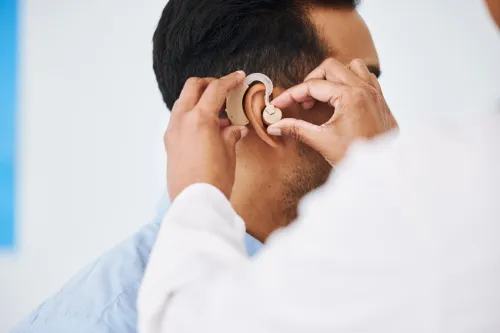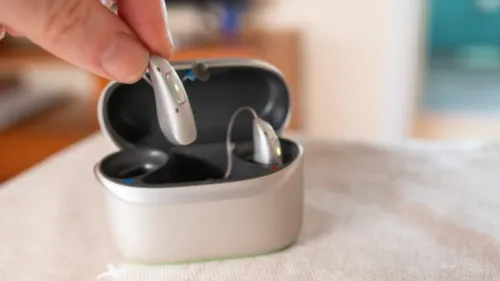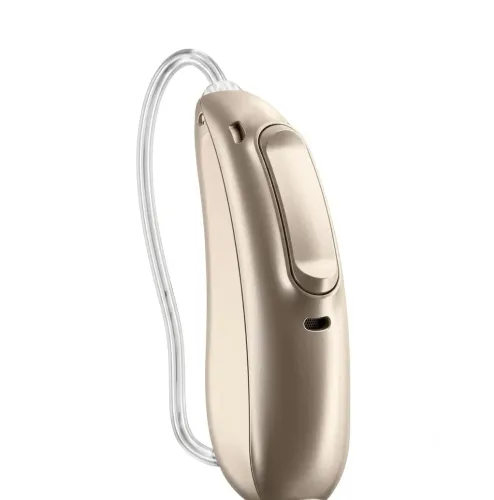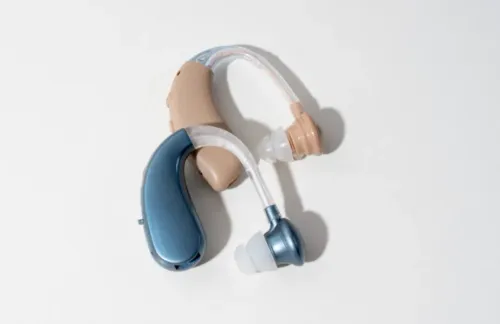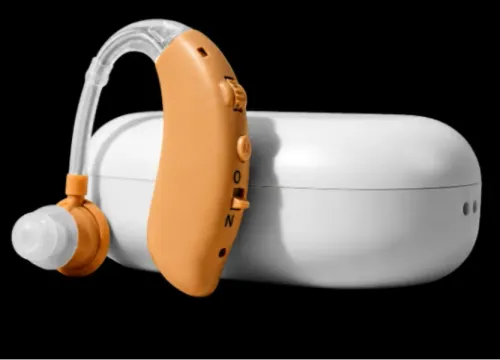
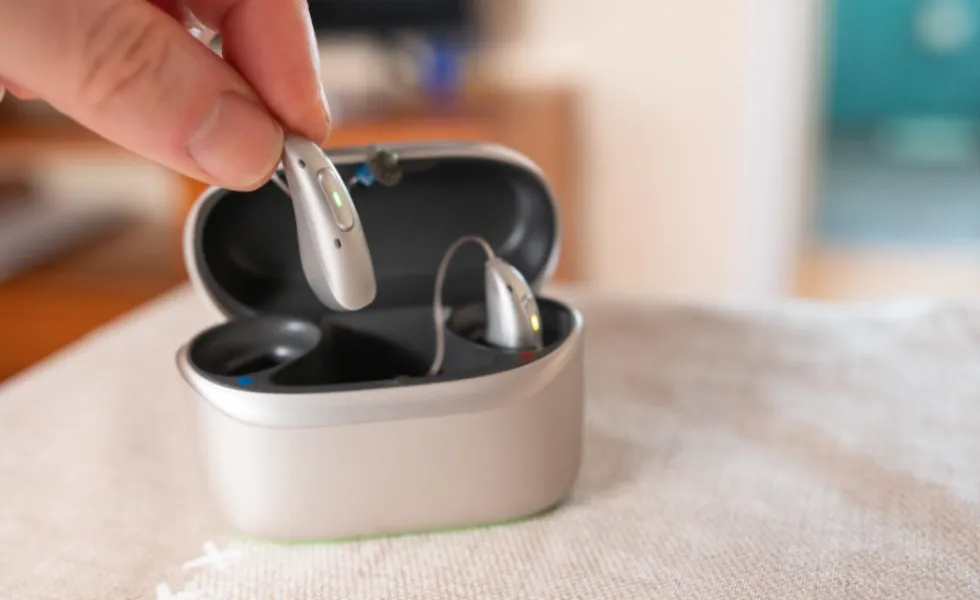
A Rechargeable Hearing Aid can be attractive to people who want to avoid replacing tiny disposable batteries. For senior citizens, active professionals and users who wear hearing aids throughout the day, charging can offer a simpler routine.
However, rechargeability is only one part of hearing aid selection. Before choosing this technology, it is worth checking whether it fits the user's hearing requirements and daily habits.
Rechargeable Hearing Aids Suit Routine-Oriented Users
A rechargeable device generally works best when charging can become part of a regular daily routine.
For example, a user may remove the hearing aids before sleeping and place them in their designated charger. The devices can then be ready for use according to their charging specifications.
This can be more convenient than keeping spare disposable batteries and changing them when needed.
They Can Help Users With Dexterity Difficulties
Traditional hearing aid batteries are small.
For people with reduced finger dexterity, handling and inserting them correctly may be inconvenient. Vision difficulties can add another challenge.
Rechargeable hearing aids reduce the need for frequent small-battery handling, which may make day-to-day device management easier for some senior users.
The charger itself should still be easy for the individual to operate.
Active Users Should Discuss Daily Wearing Requirements
Someone who wears hearing aids from early morning until late evening should understand expected battery performance for the specific model being considered.
Actual battery usage may vary depending on device settings, streaming activity and other factors.
Ask how the selected hearing aid is expected to perform under the user's typical routine rather than relying on general assumptions about rechargeable devices.
Travellers Need a Charging Plan
People who frequently travel should consider how charging will work away from home.
Questions may include:
- What charging equipment must be carried?
- Does the charger require continuous power?
- Are alternative charging arrangements available for the model?
- What should the user do if charging is unexpectedly interrupted?
These practical details can influence whether rechargeable technology fits a particular lifestyle.
Hearing Suitability Still Comes First
It would be a mistake to choose a hearing aid only because it is rechargeable.
The device must still be appropriate for the individual's hearing profile, physical fit and listening needs.
Audiological assessment should guide the selection process. Rechargeability can then be considered as one convenience feature among several.
Ask About Battery Longevity and Service
Rechargeable batteries are integrated differently depending on hearing aid design.
Before purchasing, ask what happens as the rechargeable component ages, what warranty applies and what service process is available if charging performance changes.
This provides a clearer understanding of long-term ownership.
Local Support Can Simplify Device Management
Users occasionally need help distinguishing between charging problems, maintenance issues and changes in hearing aid performance.
For residents of Nagpur and surrounding parts of Maharashtra, access to a local hearing aid provider can make these concerns easier to address.
At Mukund Speech And Hearing Center, rechargeable hearing options can be considered alongside hearing assessment findings, device style, lifestyle requirements and ongoing service needs.
A Rechargeable Hearing Aid may be particularly suitable for someone who values a consistent charging routine, wants to reduce disposable-battery handling and has access to dependable charging. The decision should still be based on the complete hearing solution. When hearing suitability, comfort, battery expectations and after-sales support all align, rechargeable technology can make everyday hearing aid management more convenient.
Keywords