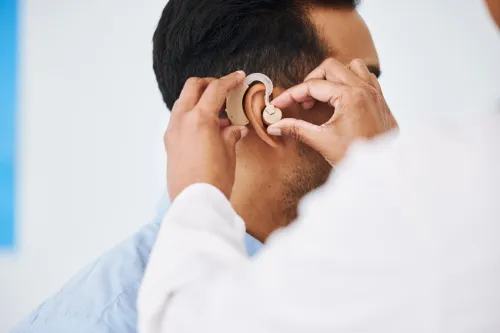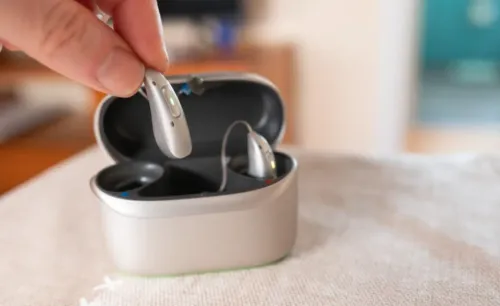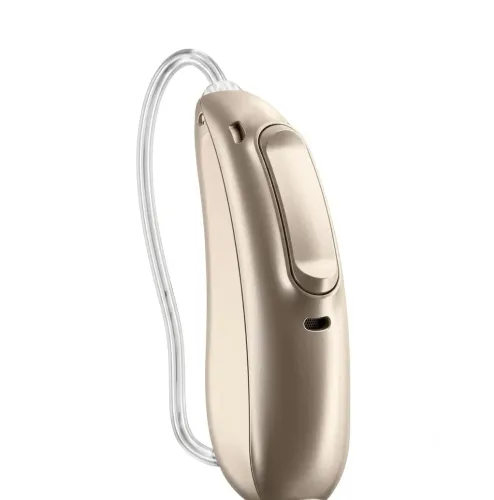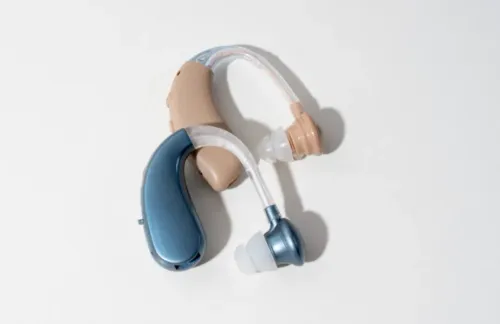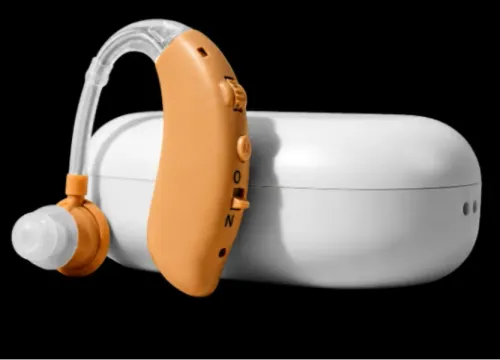
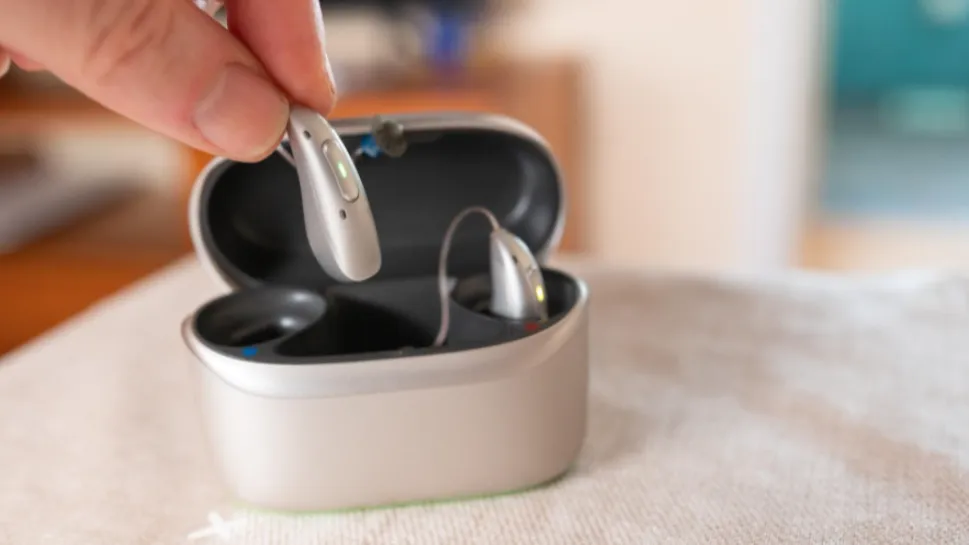
A Bluetooth Hearing Aid can turn hearing devices into more connected everyday tools, but wireless functionality is not equally important for every user. Someone who frequently uses a smartphone may find connectivity highly practical, while another person may prefer simpler controls and place greater value on straightforward hearing support.
Before choosing a Bluetooth-enabled model, it helps to identify exactly what you expect connectivity to do.
Frequent Phone Users May Gain Practical Convenience
Phone conversations can be difficult for people with hearing loss because the telephone delivers sound differently from face-to-face communication.
Compatible Bluetooth hearing aids may support wireless interaction with smartphones, although exact capabilities vary by hearing aid, phone and operating system.
For professionals, business owners or family members who make frequent calls, this can be an important feature to investigate.
Compatibility should always be confirmed for the specific combination of devices.
Audio Streaming May Be Useful
Some connected hearing aids can receive supported audio from compatible smartphones or other devices.
This can be useful for people who regularly listen to digital audio or other media.
However, streaming uses and compatibility differ between models. Users should ask for a clear explanation of what the particular hearing aid supports instead of assuming that every Bluetooth hearing aid works identically.
App Controls Can Offer More Flexibility
Compatible hearing aid applications may provide access to certain user controls.
Depending on the hearing aid system, these can include volume or program-related adjustments and other available functions.
For technologically confident users, an app can make everyday control convenient.
For someone who does not use a smartphone comfortably, app-based functionality may not provide much value. In that case, simpler operation may be preferable.
Consider Battery Requirements
Wireless connectivity consumes energy.
When comparing devices, ask how typical Bluetooth or streaming use may affect expected battery performance.
For rechargeable hearing aids, consider whether the expected daily battery duration fits the user's routine. For devices using disposable batteries, understand how usage patterns can influence battery replacement frequency.
Do Not Let Connectivity Overshadow Hearing Performance
Bluetooth is an additional feature, not the primary purpose of a hearing aid.
A device still needs to be appropriately selected and programmed for the user's hearing requirements.
The evaluation should therefore begin with:
- Hearing assessment results
- Speech communication needs
- Listening environments
- Physical comfort
- Ease of handling
Connectivity can be considered after these essential requirements are understood.
Check Compatibility Before Purchase
This is one of the most important readiness steps.
Bring details of the smartphone that will be used and ask whether the hearing aid supports the desired functions with that particular device.
Software updates and technology ecosystems can change, so current compatibility information is more useful than assumptions based on another person's setup.
Choose a Provider Who Can Explain Setup
Wireless features are only useful when the user knows how to operate them.
A hearing aid provider should be able to explain relevant pairing, controls and everyday device management for supported technology.
Mukund Speech And Hearing Center in Nagpur can discuss Bluetooth-enabled hearing aid options according to individual hearing requirements and the digital devices a user actually relies on.
For people in Nagpur, Maharashtra, a Bluetooth Hearing Aid is worth considering when phone connectivity or digital audio plays a meaningful role in daily life. It should not be chosen simply because wireless technology sounds more advanced. The strongest buying decision combines appropriate hearing performance, comfortable fitting, confirmed compatibility and features that the user is genuinely likely to use.
Keywords