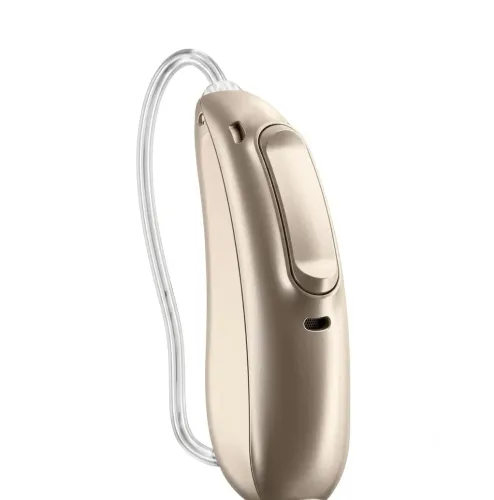
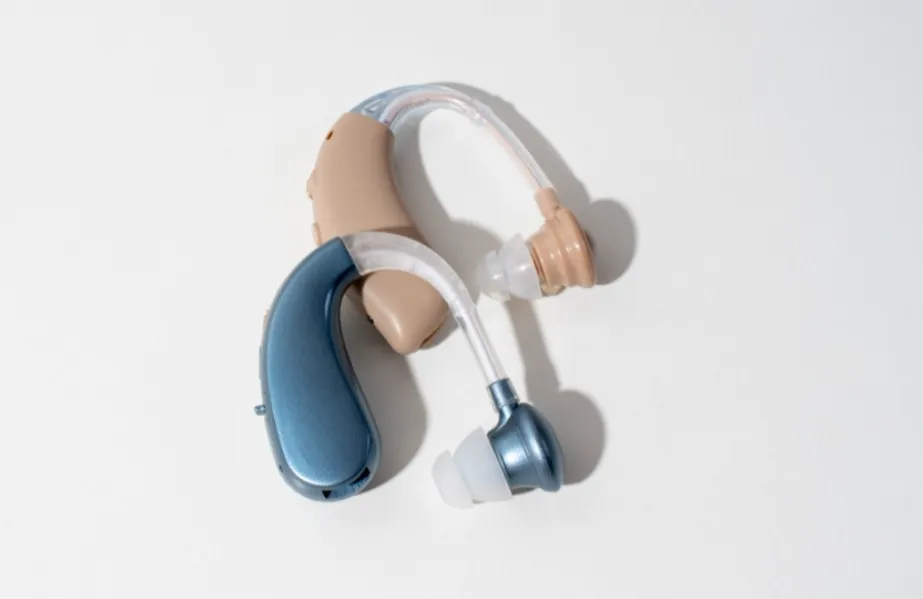
Families searching for an Audio Service Hearing Aid often become involved because a parent, spouse or child is experiencing communication difficulty. The challenge is that hearing aid decisions can quickly become dominated by technical specifications.
A simple evaluation checklist can help families focus on what actually matters before choosing a device.
1. Has Hearing Been Professionally Assessed?
Start with the hearing difficulty itself.
An appropriate hearing evaluation provides information about hearing sensitivity and helps determine whether hearing aid options should be considered.
Families should avoid assuming that every complaint about hearing automatically requires the same type of device.
If symptoms suggest that medical assessment is appropriate, this should also be addressed.
2. Where Does Communication Break Down?
Ask the prospective user to identify situations that cause difficulty.
Examples may include:
- One-to-one conversation
- Television dialogue
- Phone calls
- Group discussions
- Classroom listening
- Meetings
- Family gatherings
- Noisy public environments
This information is highly valuable when comparing hearing aid technology.
3. Can the User Handle the Device Comfortably?
Physical usability deserves careful attention, especially for senior citizens.
Check whether the person can:
- Insert and remove the hearing aid
- Operate available controls
- Clean the device
- Manage batteries if required
- Place rechargeable devices correctly in a charger
Family assistance may be useful, but the user's independence should be supported wherever practical.
4. Is the Hearing Aid Comfortable?
A device intended for regular use needs an appropriate physical fit.
Ask about pressure, irritation, looseness or difficulty keeping the device securely positioned. Comfort issues should be discussed rather than ignored.
5. Are the Features Actually Useful?
It is easy to become impressed by a long specification list.
Instead, connect each feature to a real requirement.
Bluetooth may be useful for someone who relies heavily on compatible digital devices. Rechargeability may benefit a user who finds small batteries inconvenient. Noise-management features may be important for people frequently communicating in complex environments.
Features provide value when they solve genuine problems.
6. What Support Is Available After Purchase?
Families should ask what happens after the hearing aid is fitted.
Important considerations include:
- Follow-up programming
- Cleaning guidance
- Maintenance support
- Warranty coverage
- Repair procedures
- Availability of accessories or consumables
This is especially important when a family member relies on the device for regular communication.
7. Are Expectations Realistic?
Hearing aids are designed to support hearing, but they do not reproduce normal biological hearing or eliminate every listening difficulty.
Speech understanding may still be harder in particularly noisy environments.
Families can help by using supportive communication habits: face the listener, speak clearly, reduce unnecessary background noise and avoid talking from another room.
8. Is Local Follow-Up Convenient?
For families in Nagpur, Maharashtra, travel requirements can influence whether follow-up care is maintained consistently.
A conveniently accessible provider can make adjustments, maintenance and periodic review easier.
At Mukund Speech And Hearing Center, families can discuss hearing aid requirements in relation to audiological findings, lifestyle and practical device-management considerations.
When evaluating an Audio Service Hearing Aid or another hearing solution, a checklist prevents the decision from becoming a simple comparison of brands and prices. Hearing assessment, comfort, usability, appropriate features and dependable follow-up together provide a stronger foundation for choosing a device that can realistically become part of everyday life.
Keywords