


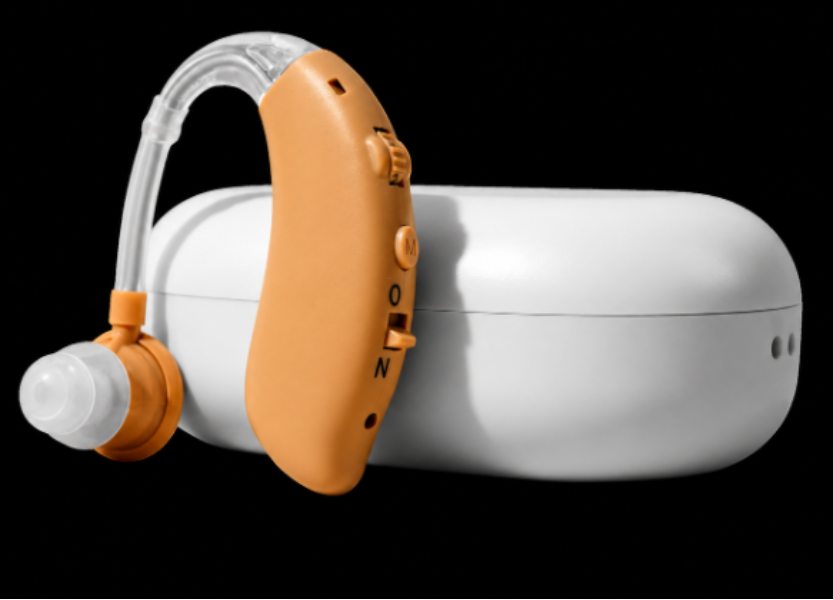
People considering an Arphi Hearing Aid may spend considerable time comparing prices and device styles but overlook factors that influence everyday comfort and usability. A hearing aid can have suitable technology yet still become frustrating if the selection process does not account for hearing needs, physical fit and routine use.
Avoiding a few common mistakes can make the evaluation process more practical.
Choosing a Hearing Aid Without a Hearing Assessment
One of the most important mistakes to avoid is selecting amplification solely because someone else uses the same device.
Hearing difficulty varies from person to person.
A hearing assessment helps identify the frequencies affected and the degree of hearing loss. This information is important for selecting and programming a hearing aid appropriately.
A device that works well for a friend or relative may not be suitable for another person.
Focusing Only on the Lowest Price
Budget matters, but the cheapest option is not automatically the most economical choice.
If a hearing aid does not provide appropriate amplification, is difficult to handle or cannot support the user's listening environments, it may be worn inconsistently.
Instead of comparing only purchase prices, consider the complete value of the device, including:
- Suitability for the hearing profile
- Comfort
- Programming options
- Warranty
- Follow-up service
- Maintenance requirements
- Battery or charging costs
This provides a more realistic basis for comparison.
Assuming Smaller Is Always Better
Discreet hearing aids appeal to many users, but very small devices are not suitable for everyone.
People with limited finger dexterity may find tiny devices or batteries difficult to handle. Certain hearing requirements may also influence which styles are appropriate.
Comfort, performance and usability should therefore be considered alongside appearance.
Ignoring the User's Daily Environment
A hearing aid used mainly for quiet conversations at home has a different job from one used in offices, restaurants, community gatherings or busy public spaces.
Nagpur residents may regularly move between several such environments.
Tell the hearing care professional where communication becomes difficult. This can help determine whether features such as directional microphones, noise management, multiple programs or wireless connectivity are relevant.
Expecting Immediate Perfection
Hearing aids can make previously reduced sounds more noticeable.
For new users, this may initially feel unusual. Everyday sounds that the brain has not been receiving clearly may require a period of adaptation.
If something feels uncomfortable, the appropriate response is generally to discuss it during follow-up rather than immediately deciding that hearing aids are unsuitable.
Skipping Follow-Up Appointments
Initial programming is based on hearing assessment results, but real-world experience provides additional information.
Users may notice differences between listening at home and listening in busy surroundings. Follow-up allows these experiences to be discussed and, where appropriate, settings to be reviewed.
Forgetting About Maintenance
Hearing aids need routine care.
Wax, moisture and debris can interfere with device performance. Users should understand how to clean the hearing aid, when consumable components may need replacement and when professional servicing is appropriate.
Mukund Speech And Hearing Center in Nagpur can help individuals understand hearing aid choices in relation to assessment findings, fitting considerations and ongoing care requirements.
For users across Nagpur and Maharashtra evaluating an Arphi Hearing Aid, avoiding these common mistakes can make the selection process more informed. The objective is not simply to own a hearing device. It is to choose a hearing solution that can be worn comfortably, managed confidently and adjusted according to real communication needs.


